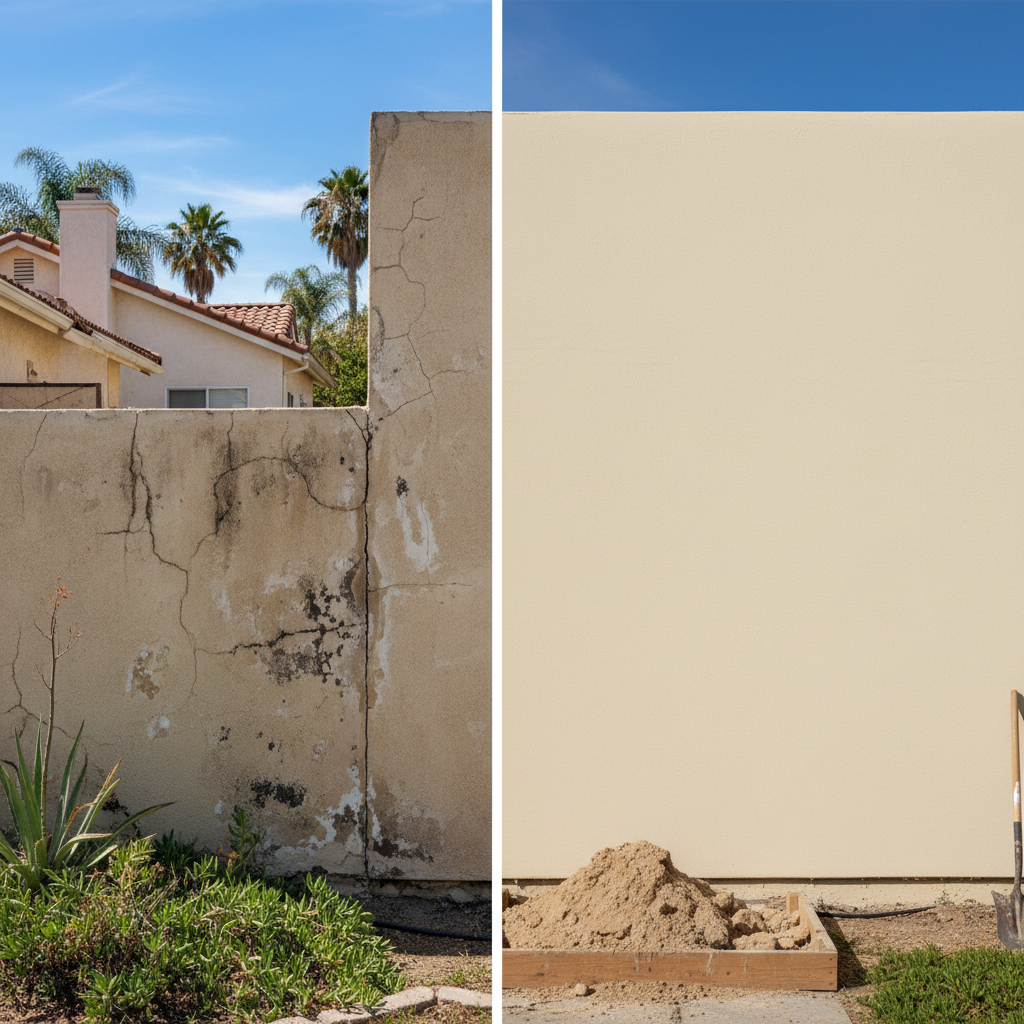
So, you've decided to get rid of that old stucco. Maybe it's cracked, maybe it's just plain ugly, or maybe you simply want a fresh look for your Alameda home. Good for you! It's a pretty big job, and you've really got two main ways to tackle it: sandblasting (or hydro-blasting) or chipping it off by hand. Both methods will get the stucco gone, but they're quite different when you consider the cost, the mess, and what they might do to your house underneath.
Sandblasting vs. Chipping: The Basics
When I talk about sandblasting, I'm usually lumping hydro-blasting in there too. What is it? Basically, it's using a high-pressure stream of some abrasive material—like sand or even just water with grit—to blast the stucco right off the wall. It's fast, it's powerful, and it can clear a big area in no time. Think of it like a super-charged pressure washer, but one that's designed to strip off layers of material.
Chipping, on the other hand, is a more old-school, labor-intensive approach. We're talking about hammers, chisels, and sometimes pneumatic tools to physically break and chip the stucco away from whatever's underneath. It's slower, more careful, and generally a lot quieter than blasting. That's a plus for the neighbors, right?
Cost: What's Your Wallet Saying?
Right off the bat, sandblasting often looks cheaper on paper for the initial labor. Because it's so quick, a crew can cover a lot more ground in a day. Less time on site means less labor cost, you'd think? Well, not always. The equipment for blasting is expensive to rent or own, and all those materials (sand, water, etc.) really add up. Plus, the cleanup is a totally different beast, which I'll get to in a minute.
Chipping tends to have higher labor costs per square foot. That's because it takes more time and more people. But the equipment is simpler and cheaper. You're paying for skilled hands and patience, not for some massive, specialized machine.
Durability: What Happens to Your Walls?
This is where things get really, really important. Sandblasting is aggressive. It's built to strip material away. If you've got an older home, maybe one of those charming Craftsman bungalows in the Gold Coast neighborhood, chances are your stucco sits over wood lath or even an older plaster system. Blasting can simply be too much for these delicate foundations. It can damage the sheathing, blow out windows if they're not protected just right, and even mess with the structural integrity of older, softer wood. I've seen it happen, believe me. You might save a few bucks on the removal, but then you're shelling out a lot more to fix the damage underneath.
Chipping is much gentler. A good crew, like the folks at Aim High Stucco Company, knows how to chip away the stucco without harming the underlying structure. It's precise work. We can control the depth and force, making sure we're only taking off what absolutely needs to go and leaving the rest intact. This is critical if you're planning to re-stucco or put up siding – you want a clean, undamaged surface to work with, don't you?
Maintenance & Appearance: The Aftermath
After sandblasting, your property is going to look like a war zone. Seriously. The dust and debris from sandblasting are unbelievable. It gets everywhere – in your landscaping, on your neighbor's car, in every single nook and cranny. You'll need extensive containment measures and a huge cleanup effort, which often adds a ton to the overall project cost and headache. And even after all that, you might still find sand in your garden months later.
With chipping, the mess is much more contained. We're talking about chunks of stucco, not fine dust. It's easier to collect and dispose of. Your yard and your neighbor's property will definitely thank you for it.
In terms of appearance, if you're planning to re-stucco, the surface left by chipping is usually better. It's a rougher, more consistent surface for the new stucco to bond to. Sandblasting can sometimes leave a very smooth, almost polished surface, which isn't ideal for adhesion unless extra steps are taken to rough it up again.
My Recommendation for Alameda Homeowners
Look, I get it. Everyone wants to save money. But when it comes to stucco removal, especially here in Alameda where we have so many older homes with all sorts of different substrates, I almost always recommend chipping. It's the safer, cleaner, and ultimately more responsible choice for your property.
You might pay a little more upfront for the labor, but you're saving yourself potential headaches and really expensive repairs down the line. You're protecting your home's integrity, ensuring a better surface for whatever comes next, and keeping the neighborhood a bit cleaner. It's an investment in doing the job right the first time.
Talk to a few contractors. Get detailed bids. And make sure they explain exactly how they plan to remove that old stucco. If they're pushing sandblasting without a thorough assessment of your home's specific construction, be wary. At Aim High Stucco Company, we're always happy to walk you through the process and explain why we recommend what we do.