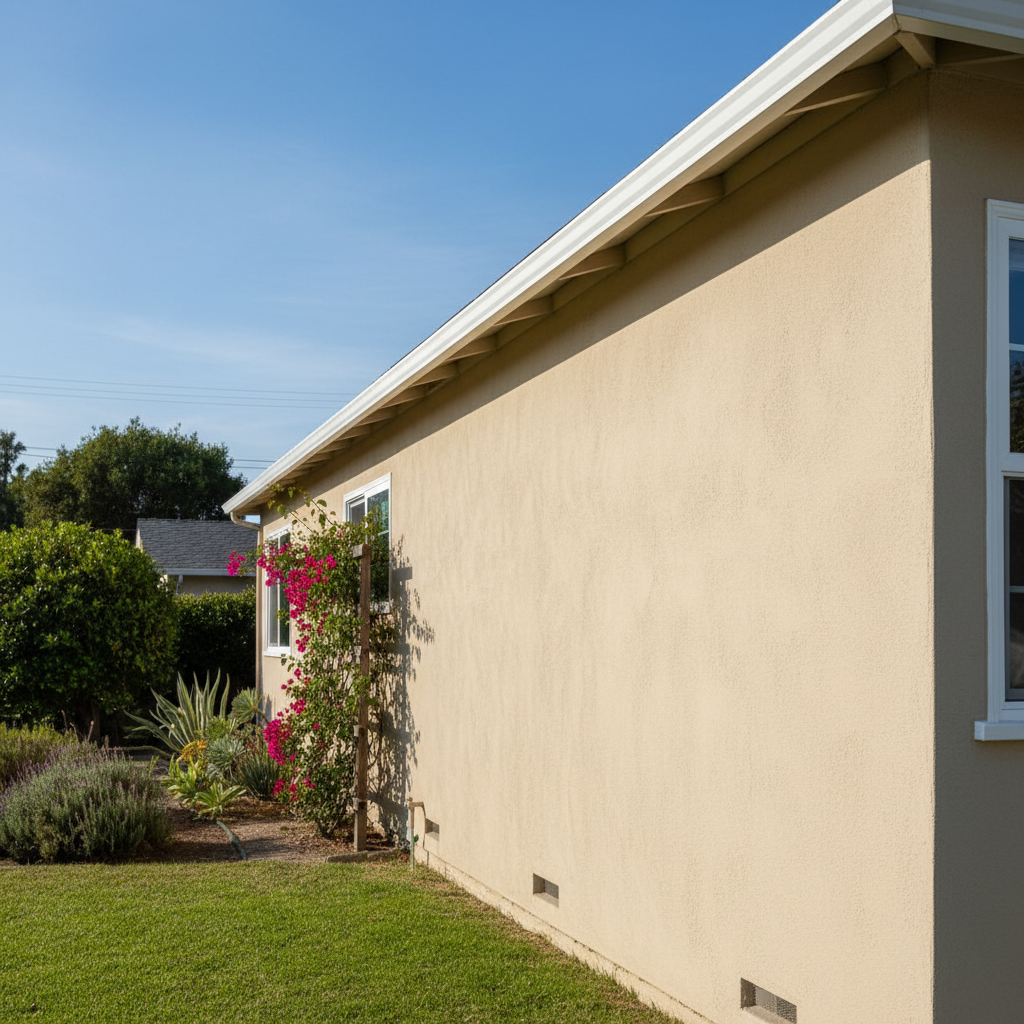
So, you just dropped some cash on a fresh coat of paint for your stucco home right here in Alameda. Looks pretty sharp, doesn't it? But that new paint job isn't just about making things look good from the street; it's actually a protective shield for your house. The real question, then, is how do you keep it looking great and doing its job for as long as possible? It's not rocket science, but it definitely needs a little bit of attention.
Making Your Stucco Paint Last Longer
Water is the biggest enemy of any exterior paint, especially on stucco. We don't exactly get a ton of rain here in Alameda compared to, say, Seattle, but when it does come down, it can stick around. And let's not forget our famous fog, which can keep surfaces damp for hours on end. Good drainage is absolutely essential. Make sure your gutters are clean and in good shape. If water constantly streams down a particular section of your wall, that paint will break down much faster, no matter how good the quality was to begin with.
Another thing to keep an eye on is direct sunlight. Our California sun, even with those cool bay breezes, can be pretty intense. UV rays eat away at paint over time, leading to fading and that chalky look. While you can't exactly pick up your house and move it, you can be proactive. If you've got trees or shrubs close to your home, think about how they might offer some shade, but also make sure they aren't trapping moisture against the stucco. It's a delicate balance, really.
When we paint stucco at Aim High Stucco Company, we always use high-quality elastomeric or acrylic paints. These are specifically made for masonry, and they're flexible and breathable, which is super important for stucco. They can stretch and shrink with the stucco as temperatures change, stopping cracks from forming in the paint film. Using the right product from the start? That's half the battle won.
Regular Upkeep: What You Should Be Doing
This isn't going to be a full-time gig, I promise. But a little regular care goes a long, long way. Think of it like washing your car; you wouldn't expect it to stay spotless forever without some soap and water, right?
- Check Things Annually: Take a walk around your house once a year, maybe in the spring after the last of the winter rains. Look closely at the stucco. See any new cracks? Any paint peeling or bubbling up? Pay extra attention to spots under windows, around downspouts, and near the foundation. Those are common places for water to sneak in.
- Clean Gently: Stucco can get dirty. Dust, pollen, and even mildew can build up, especially on walls facing north that don't get much sun. A gentle wash with a garden hose and a soft brush can make a huge difference. For tougher spots, a mild detergent (like dish soap) mixed with water usually does the trick. Just rinse it all off thoroughly. Try to avoid high-pressure washers unless you really know what you're doing, because they can damage the stucco or force water into places it absolutely shouldn't be.
- Trim Back Plants: Keep bushes and trees trimmed away from your stucco walls. They can rub against the paint, causing scrapes, and they can also trap moisture, which creates a perfect breeding ground for mold and mildew. Plus, their roots can sometimes cause foundation problems, leading to stucco cracks.
Signs You Might Have a Problem
You're basically looking for anything that suggests the paint isn't doing its job anymore. Catching these early can save you a ton of headaches and money later on.
- Cracks: Hairline cracks are pretty normal in stucco, but if they start getting wider, or if you see a spiderweb-like pattern, that's a definite red flag. Cracks are like open doors for water, and once water gets behind the stucco, it can cause some serious damage.
- Peeling or Blistering Paint: This almost always points to a moisture issue. It means water is getting behind the paint and pushing it off the surface. You'll often spot this near the ground, around windows, or where gutters might be overflowing.
- Discoloration or Stains: Dark streaks or splotches, especially green or black, usually mean mildew or algae is growing. While not immediately damaging, it's unsightly and can signal a damp area. Rust stains often mean there's a problem with a metal part nearby, like a flashing or a vent.
- Efflorescence: This looks like a white, powdery film on the surface. It's mineral salts leaching out of the stucco as water dries. It's a clear sign that water is getting into the stucco and then evaporating, leaving those salts behind.
When to Call in the Pros
Look, you don't need to call us for every little thing. But there are definitely times when a professional stucco contractor, like us at Aim High Stucco Company, is your best bet.
- Major Cracking: If you've got cracks wider than a credit card, or if they're running horizontally or diagonally across big sections of your wall, that's structural. Don't just paint over it; you need to fix the root cause.
- Widespread Peeling or Blistering: A small patch, sure, you can probably handle that. But if large areas of paint are failing, it's likely a widespread moisture problem that needs an expert to diagnose and repair it.
- Water Getting Inside: If you're seeing water stains on your interior walls that line up with exterior stucco, or if your home feels damp inside after it rains, that's a serious issue. Water intrusion can lead to mold, rot, and significant structural damage. Don't put this one off.
- Before Repainting: If it's been 10-15 years and your paint just looks tired overall, it's probably time for a repaint. But before you just slap on a new coat, have a professional inspect the stucco. We can find and fix any minor issues before they get covered up, making sure your new paint job sticks properly and lasts even longer. You really want to make sure the surface is sound before you invest in new paint.
Taking care of your stucco paint job isn't just about keeping up appearances, you know. It's about protecting your home from the elements, especially with our unique Bay Area microclimates. A little bit of vigilance now can save you a lot of money and a whole lot of headaches down the road.